Retail
Demand forecasting, customer analytics and store operations on one data estate.
What Retail teams are working on
Retail and consumer goods decisions are made weekly and judged daily: what to buy, where to put it, what to charge, what to promote. The data to make them is split between the till, the warehouse, the distributor and the website, and it is usually a week old by the time anyone sees it.
The blueprints here cover demand forecasting and replenishment, assortment and merchandising, pricing and trade promotion, outlet network analytics for distribution, personalization and conversational commerce, and cold-chain monitoring where the stock cannot wait.
How much of this do we actually need, and where?
What is the right price and the right promotion?
Which outlets are underperforming, and against what?
Can customers find things the way they describe them?
Where Retail work concentrates
Across the 12 solution blueprints on this page.
What this sector leans on more than the rest of the catalogue does.
Blueprints ready to adapt
The practices behind this work
What the Retail solutions on this page are built with.
Guides from our Data & AI practice
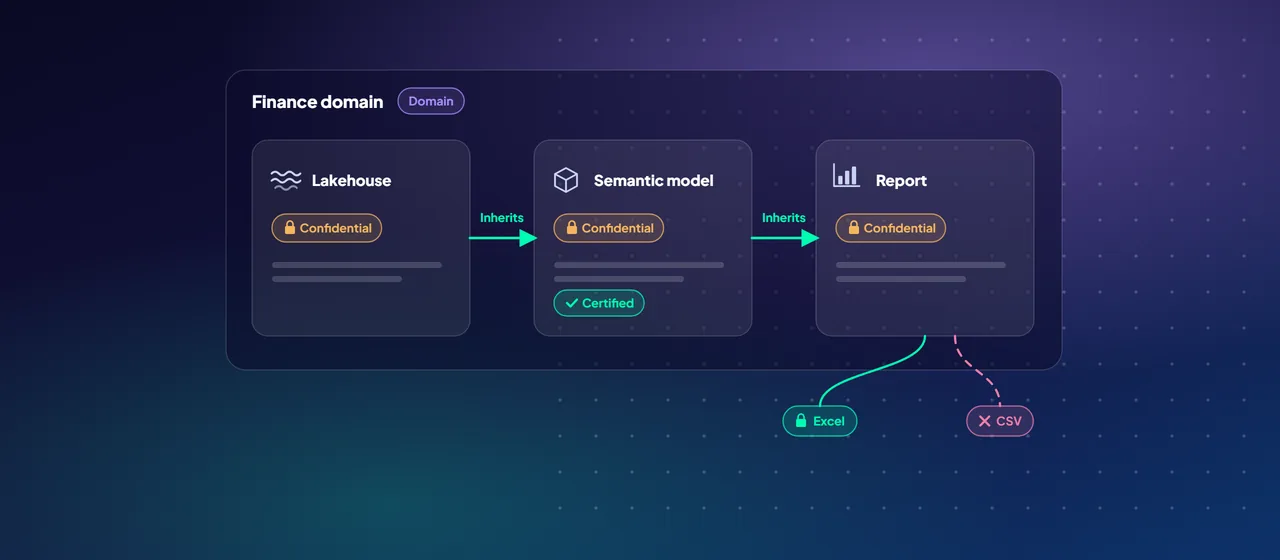
Governing Microsoft Fabric with Microsoft Purview: domains, labels, lineage and a rollout order
How Microsoft Purview and Fabric's built-in controls govern your data, covering domains, endorsement, sensitivity labels, DLP, the Unified Catalog and lineage, plus a rollout order.
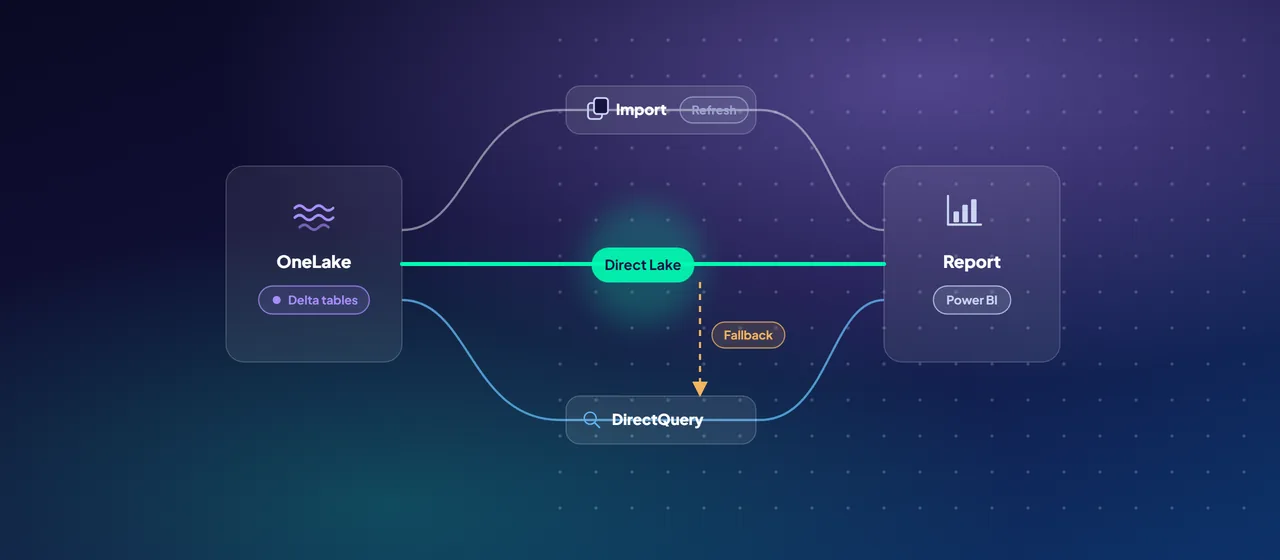
Direct Lake in Power BI explained: how it works, fallback and when to choose it
How Direct Lake in Microsoft Fabric compares with Import and DirectQuery, how framing and fallback work, which capacity guardrails apply, and when to choose each mode.
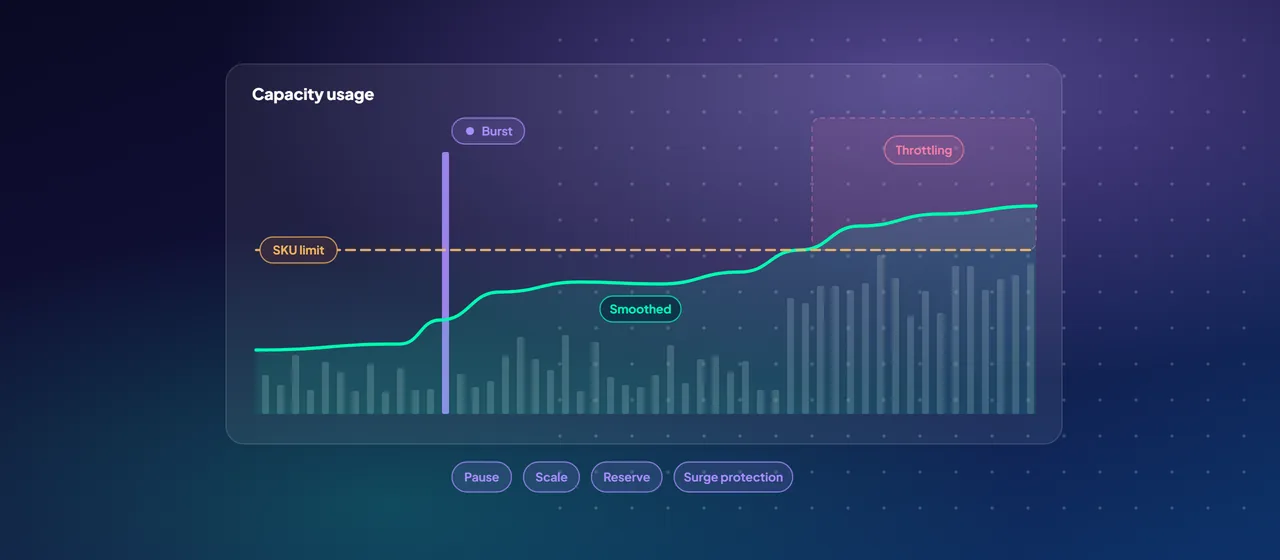
Sizing Microsoft Fabric capacity and keeping its cost under control
How Fabric capacity units, bursting, smoothing and throttling work, and which levers control cost: pause and resume, scaling, reservations, surge protection and the Capacity Metrics app.
Working in Retail?
Talk to an architect who has delivered in your sector.